The Current State of Real Estate Workflows
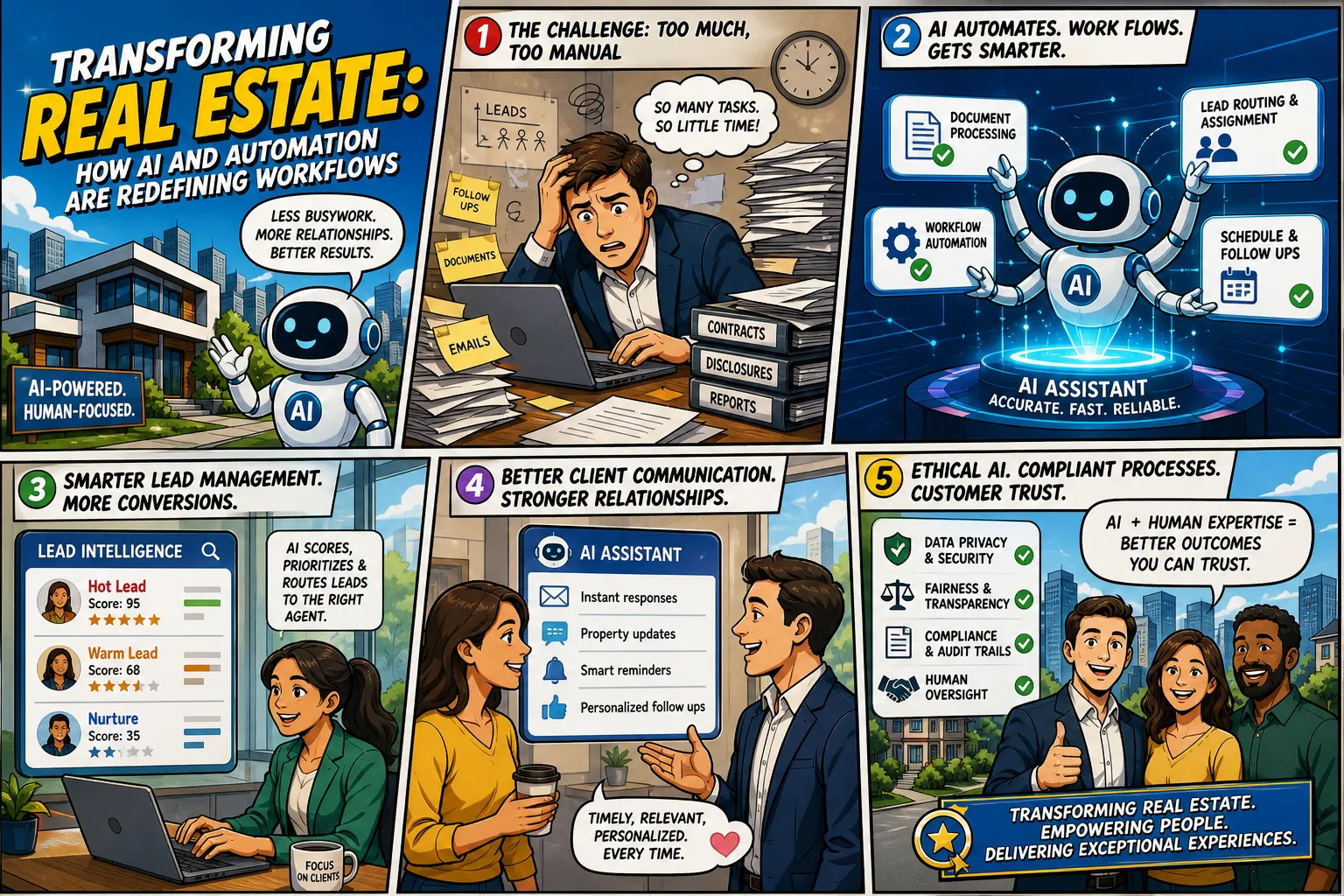
Real estate professionals today juggle various tasks, from managing property listings to negotiating deals. The profession requires a delicate balance of relationship-building, market analysis, and administrative work. Agents spend a significant portion of their day on repetitive tasks like data entry, document management, and client follow-ups. These tasks, while essential, can detract from more strategic activities that drive business growth.
Automating Repetitive Administrative Tasks
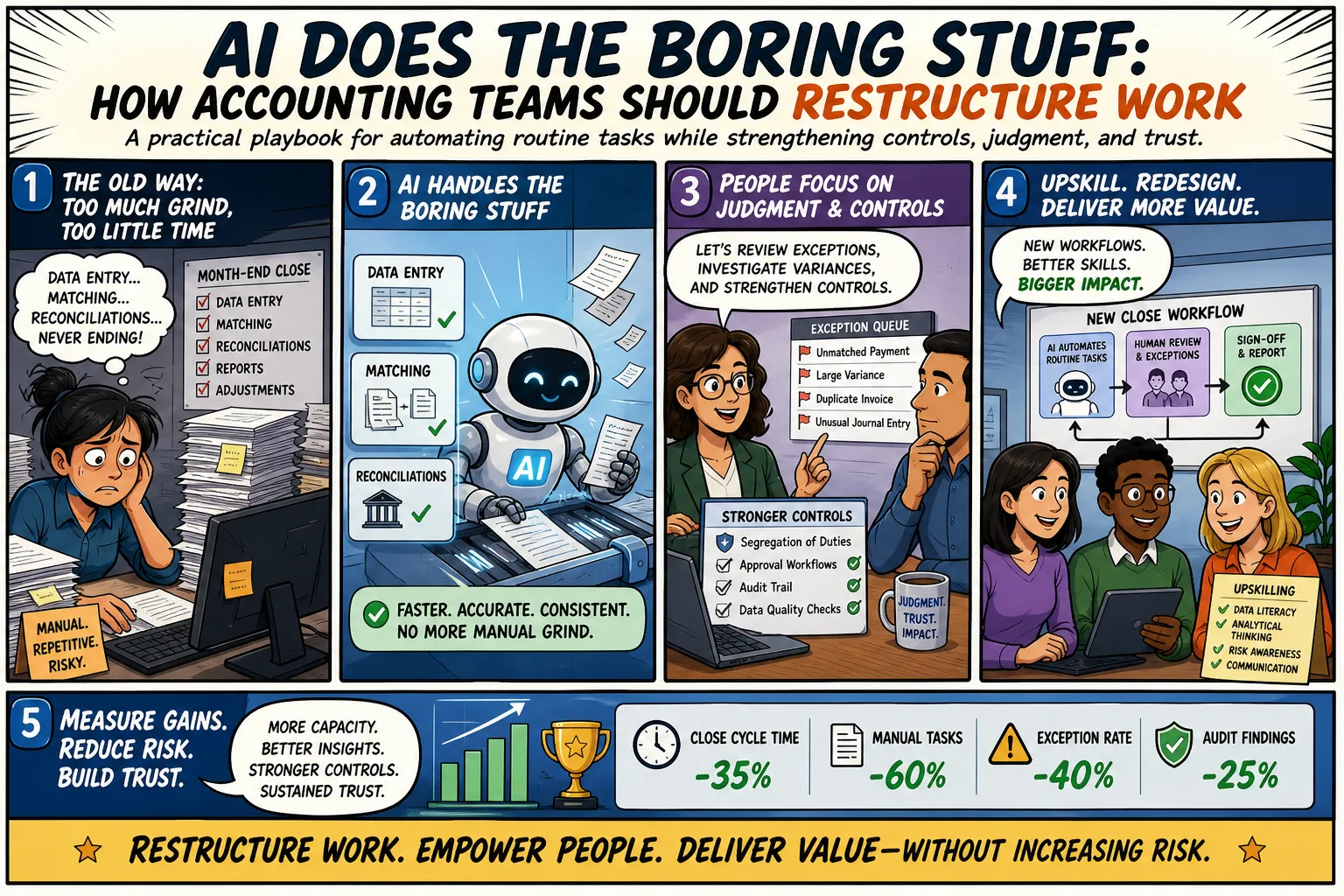
One of the most significant impacts of AI in real estate is the automation of repetitive administrative tasks. Technologies like CRM systems powered by AI can automate lead tracking and customer relationship management, ensuring no potential client falls through the cracks. Automated data entry tools can reduce errors and save time by pulling information directly from emails or online forms into databases.
Addressing Workflow Bottlenecks
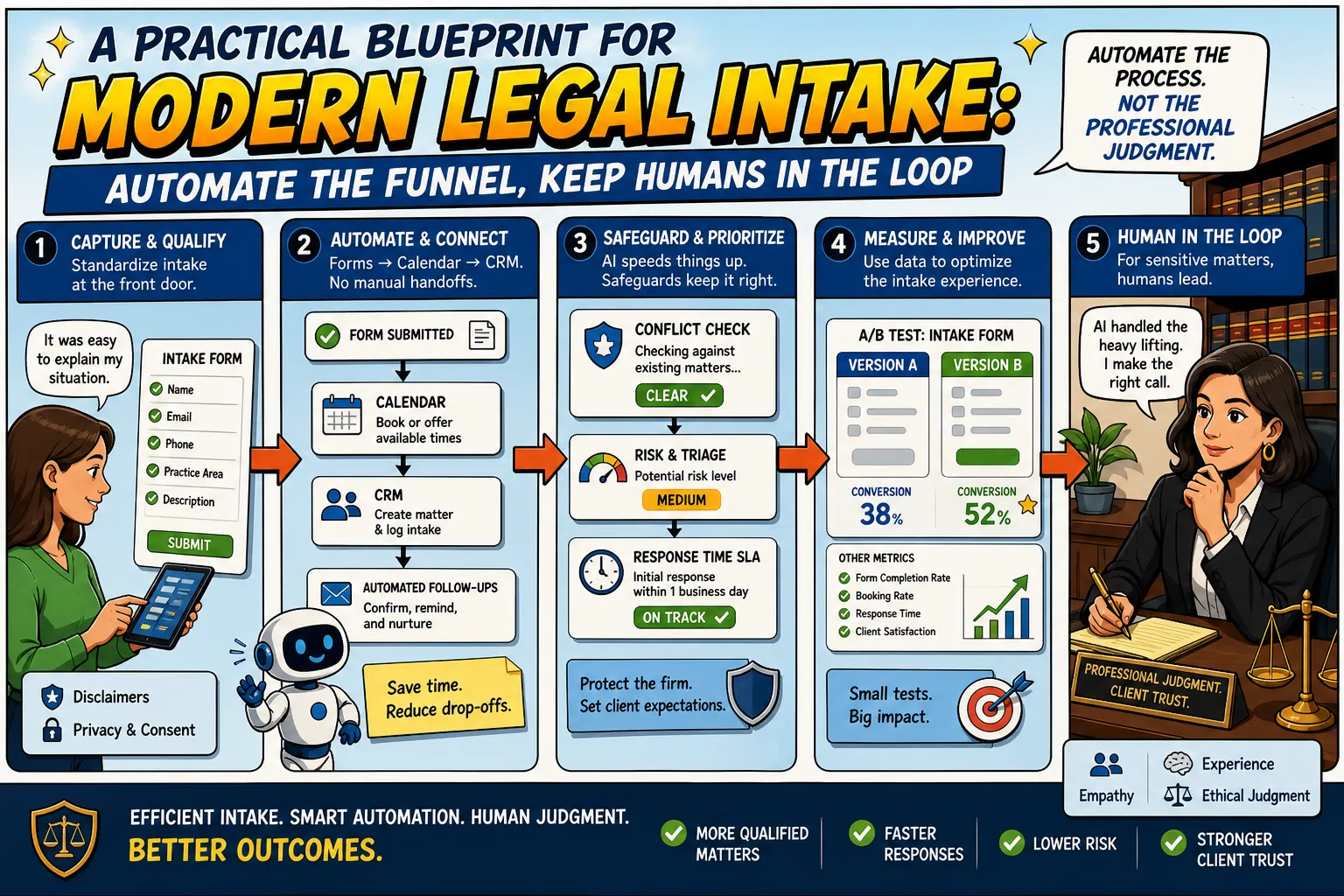
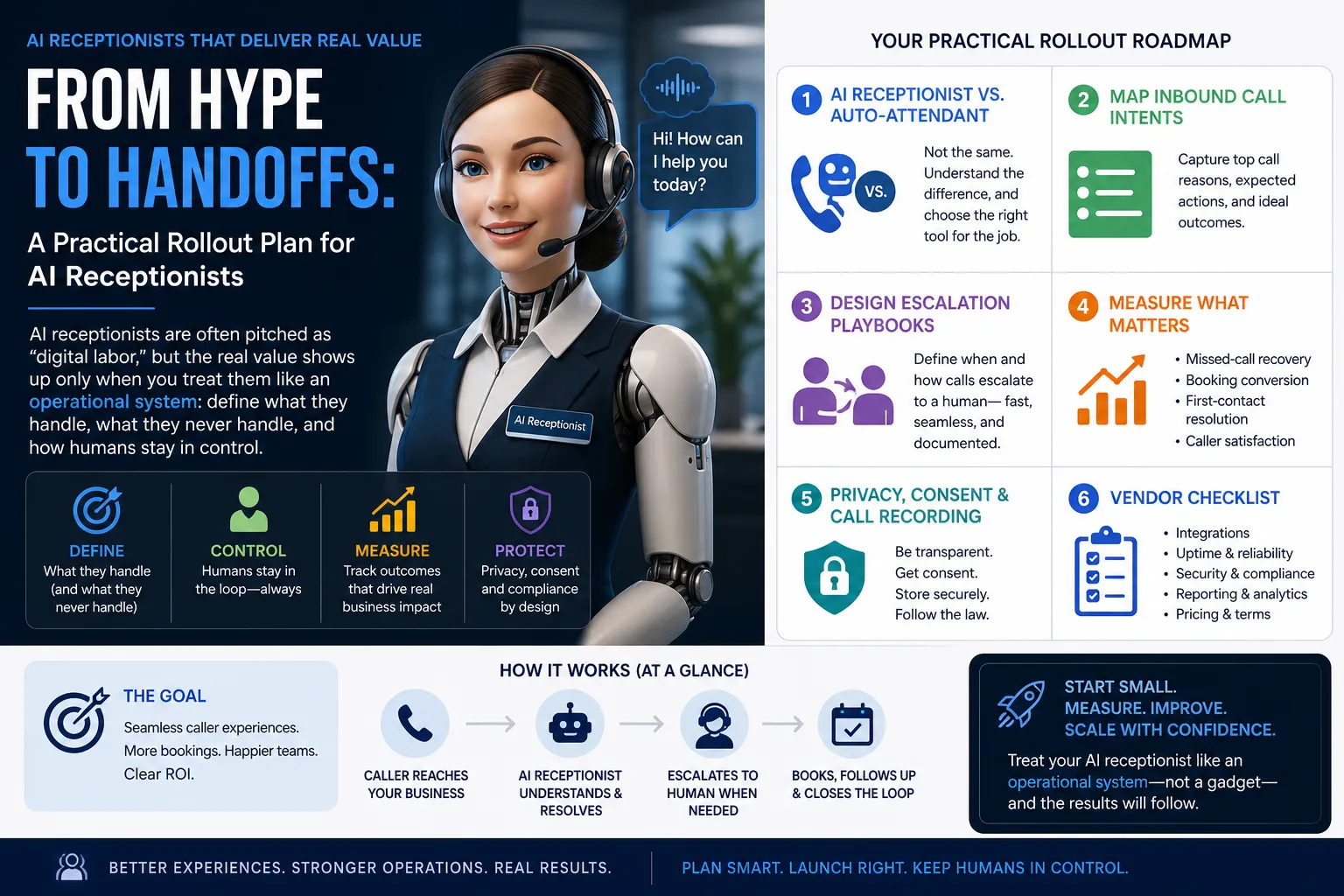
Workflow bottlenecks often occur in real estate due to the manual processing of large volumes of paperwork and the need for constant communication with multiple stakeholders. AI-driven tools can streamline these processes by automating document processing and facilitating seamless communication channels. For example, AI chatbots can handle initial client queries, schedule viewings, and send reminders, freeing agents to focus on closing deals.
Responsible AI Assistance in Real Estate
While AI offers numerous benefits, its implementation in real estate should be approached responsibly. AI can assist in data analysis, providing insights into market trends and property valuations. However, human judgment remains crucial in interpreting these insights, particularly when considering the emotional and financial implications for clients.
Where AI Should Not Replace Human Judgment
AI should not replace the nuanced decision-making of experienced agents, especially in negotiations and market assessments. The human touch is essential in understanding a client's unique needs and preferences. Agents should leverage AI to enhance their capabilities, not replace their expertise.
Risks and Ethical Considerations
Implementing AI in real estate comes with risks, including privacy concerns, compliance with regulations, and maintaining customer trust. Ensuring that AI systems are transparent and that clients are informed about data usage is critical. Real estate firms must comply with data protection laws and ensure AI tools are used ethically to avoid potential pitfalls.
Practical Automation Ideas for Small Teams
- Lead Management: Use AI-powered CRM tools to automate lead nurturing and follow-ups.
- Document Processing: Implement e-signature platforms and automated document sorting to reduce paperwork.
- Client Communication: Deploy chatbots for initial client interactions and appointment scheduling.
- Market Analysis: Utilize AI tools for predictive analytics to identify property trends and opportunities.
Conclusion: Augmentation, Not Replacement
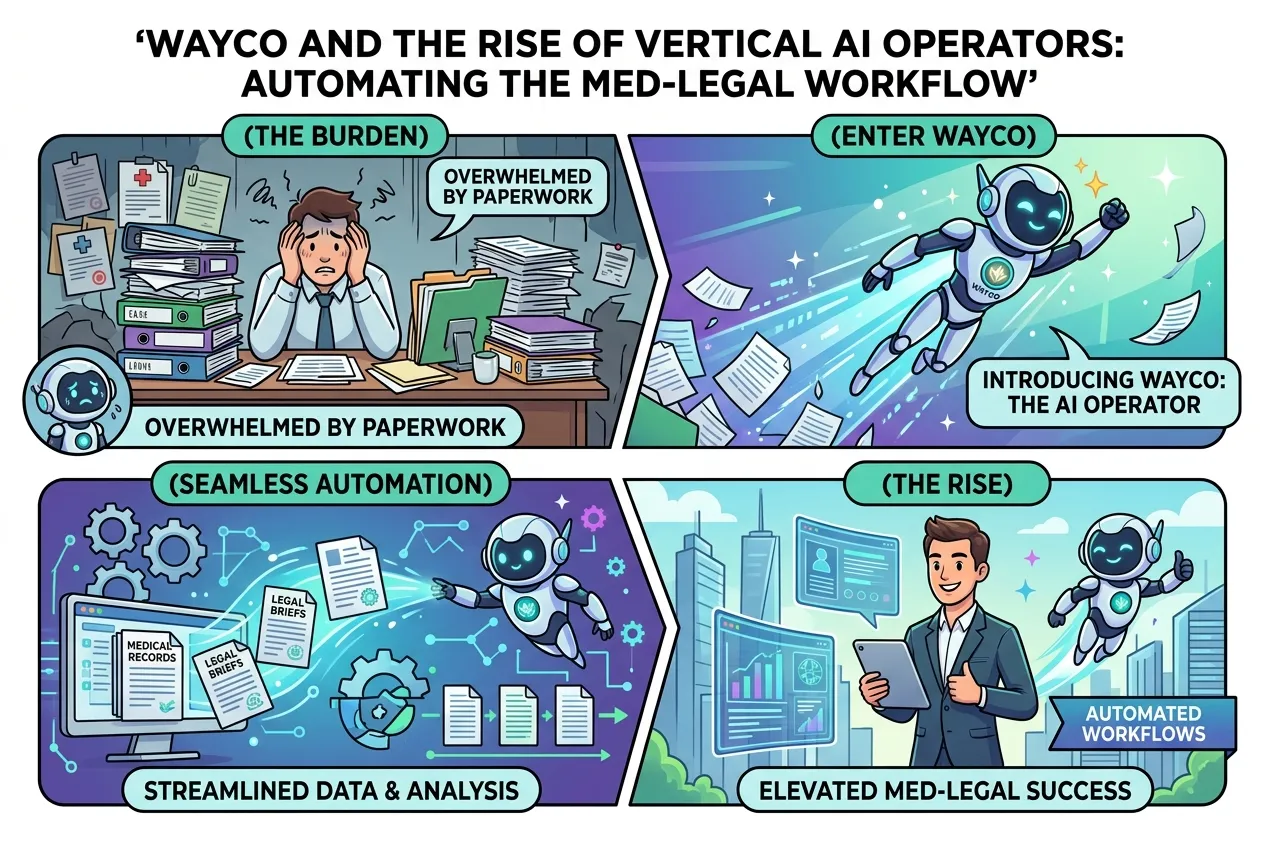
AI and automation are poised to transform the real estate industry by enhancing workflows and improving efficiency. However, the role of real estate professionals remains indispensable. By embracing AI as a tool for augmentation, agents can focus on providing superior client service and strategic insights. The goal is not to replace human agents but to empower them to work smarter and more effectively.
For more insights into the future of AI in real estate, visit HousingWire.




Comments
No comments yet — be the first to share your thoughts.
Join the discussion