Understanding the Nonprofit Profession
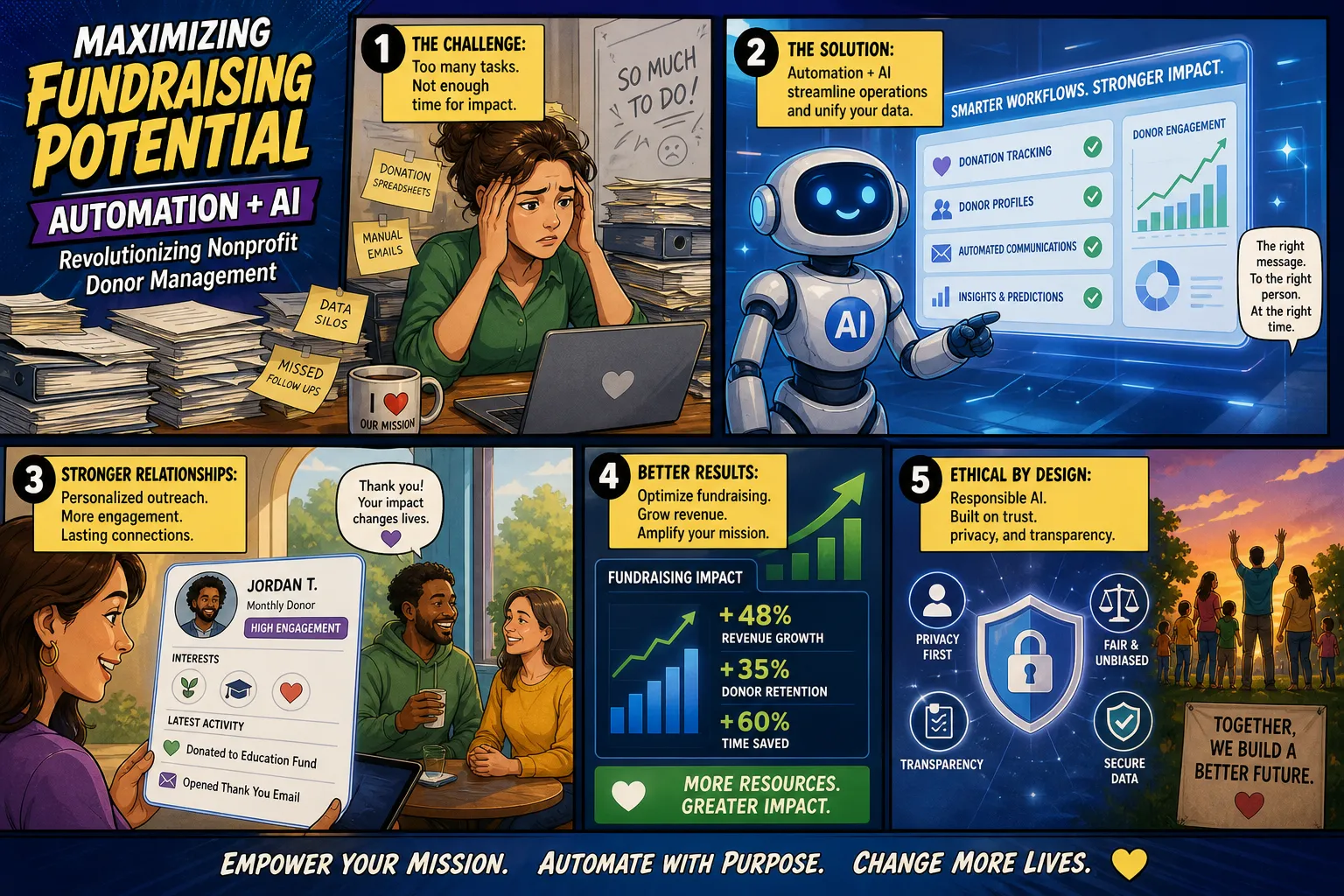
Nonprofits operate with a mission-driven focus, aiming to maximize impact with limited resources. A significant part of their daily operations involves managing donor relationships, tracking donations, and strategizing fundraising efforts. These tasks, while crucial, often involve repetitive administrative work that can detract from the core mission.
Repetitive Tasks Ripe for Automation
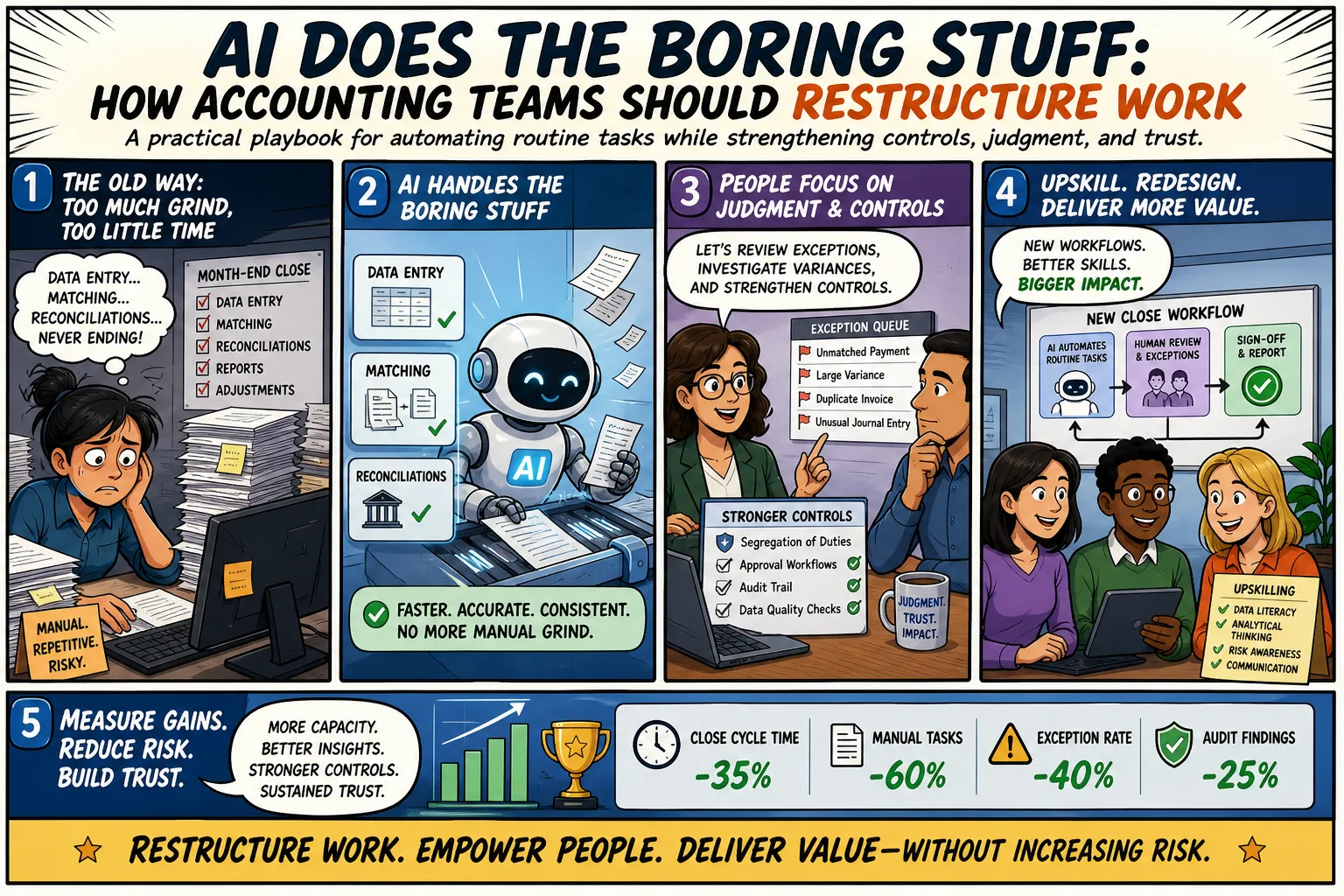
In the nonprofit sector, administrative tasks such as data entry, receipt generation, and donor communications are repetitive and time-consuming. Automation can alleviate these burdens by streamlining processes like:
- Donation Tracking: Automated systems can record and categorize donations in real-time, ensuring accurate financial records.
- Receipt Generation: Automatically sending receipts to donors can save hours of manual work, ensuring compliance and enhancing donor satisfaction.
- Communication Scheduling: Automation tools can schedule and send personalized emails, improving engagement without increasing workload.
Overcoming Workflow Bottlenecks
Nonprofits often face bottlenecks in donor management due to legacy systems that are not integrated. Modern software solutions can resolve these issues by:
- Centralizing Data: Integrated platforms ensure that all donor information is accessible in one place, reducing errors and improving efficiency.
- Improving Reporting: Automated reporting tools can provide insights into donor trends, enabling better strategic decisions without manual data crunching.
The Role of AI in Nonprofits
AI can enhance nonprofit operations by analyzing donor behavior and predicting future giving patterns. However, it should be used to augment human decision-making, not replace it. For instance:
- Donor Insights: AI can identify potential major donors by analyzing giving patterns, allowing fundraisers to focus their efforts strategically.
- Personalization: AI-driven personalization can tailor communications to individual donor preferences, improving engagement and retention.
Where AI Should Not Replace Human Judgment
While AI offers powerful tools, it should not replace human intuition and relationship-building. Critical areas where human judgment remains essential include:
- Ethical Considerations: Deciding how to approach potential donors requires sensitivity and ethical reasoning.
- Relationship Building: Personal connections are vital in maintaining donor relationships and cannot be fully automated.
Risks and Ethical Concerns
Implementing AI and automation in nonprofits also raises concerns about privacy, security, and trust. Key considerations include:
- Data Privacy: Ensuring donor data is protected and used ethically is crucial to maintaining trust.
- Compliance: Adhering to regulations such as GDPR is essential when handling personal data.
Practical Automation Ideas for Small Teams
Small nonprofits can start with simple automation tools that offer significant benefits without requiring large investments. Consider:
- Email Automation: Tools like Mailchimp can automate donor communications, saving time and increasing reach.
- CRM Systems: Affordable CRM solutions like Salesforce Nonprofit Success Pack can manage donor information efficiently.
Conclusion: Augmenting Human Efforts
Automation and AI present powerful opportunities for nonprofits to enhance their fundraising efforts and donor management. By focusing on augmenting human capabilities rather than replacing them, nonprofits can optimize their operations while staying true to their mission-driven focus. Thoughtful implementation of these technologies will enable nonprofits to maximize their impact in a sustainable and ethical manner.
For further insights, visit the source.


Comments
No comments yet — be the first to share your thoughts.
Join the discussion