Understanding the Insurance Profession Today
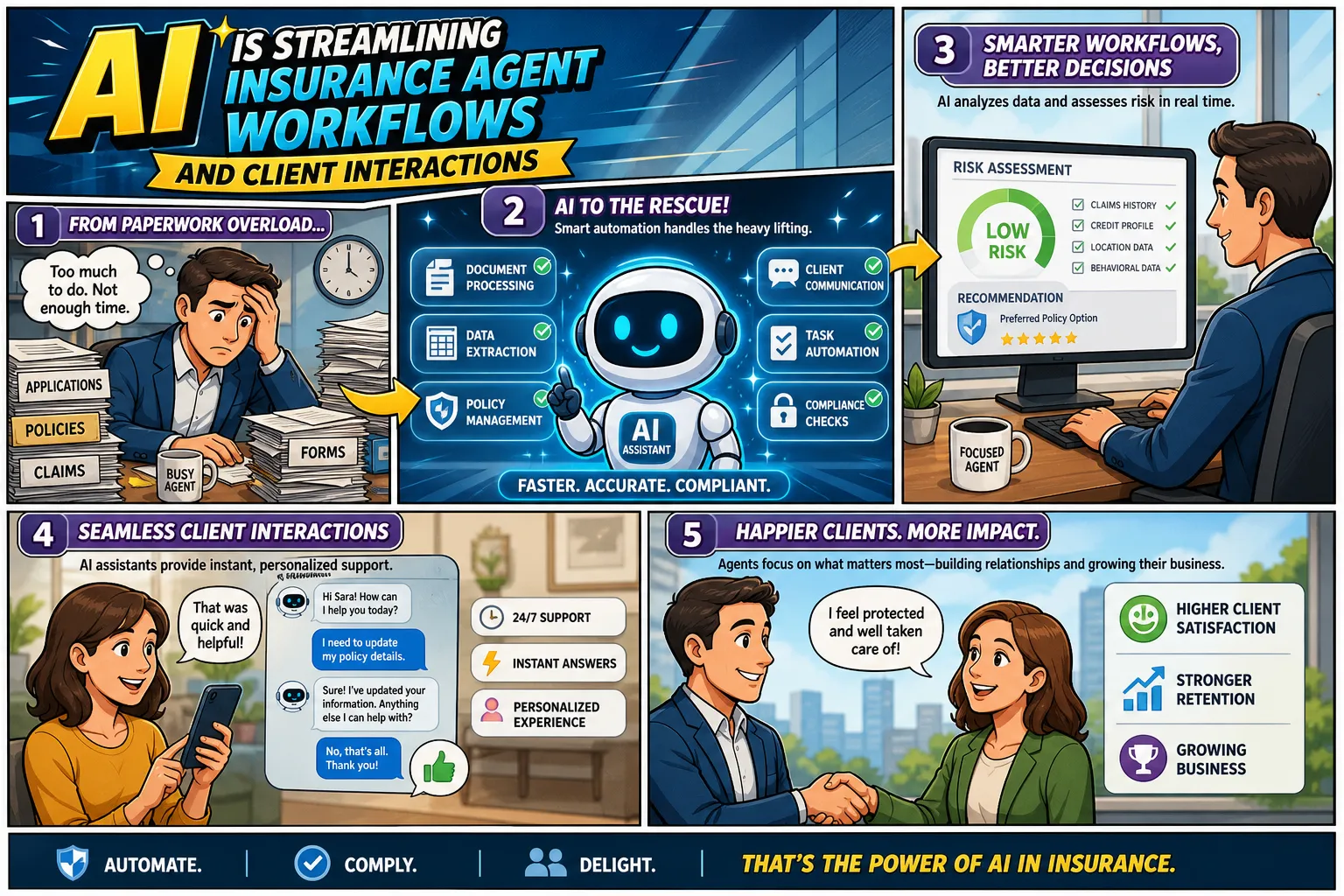
Insurance agencies are integral to managing risk and providing financial security to individuals and businesses. Agents and brokers in this field are responsible for advising clients, processing claims, underwriting policies, and handling a multitude of administrative tasks. These tasks often involve repetitive paperwork, customer interactions, and risk assessments, which are ripe for innovation through automation and artificial intelligence (AI).
Automating Repetitive Administrative Tasks
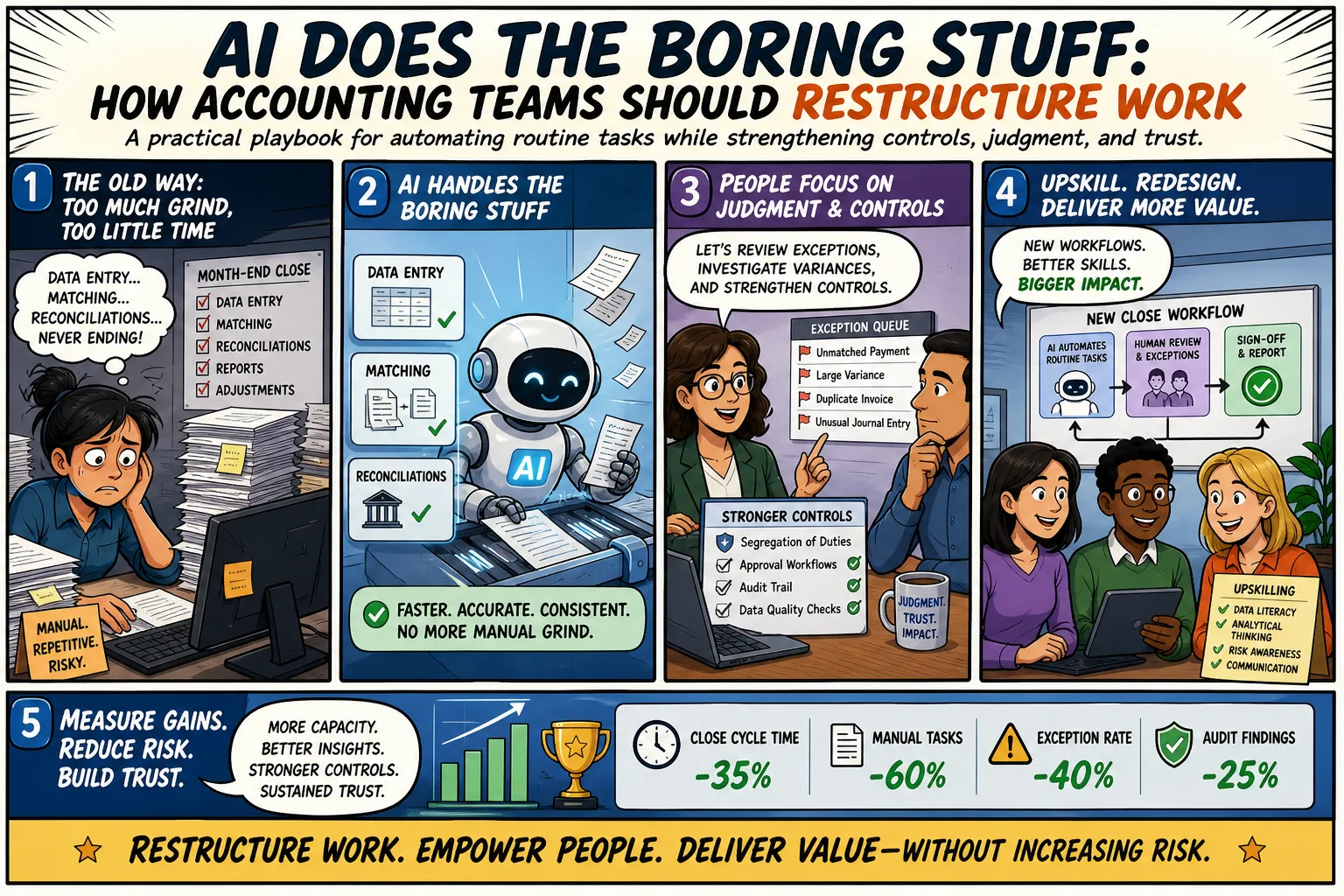
One of the most significant impacts of AI in insurance is the automation of repetitive administrative tasks. These include data entry, policy updates, and document processing. By employing AI-driven solutions, agencies can drastically reduce the time spent on these tasks, allowing agents to focus on more strategic activities.
- Data Entry: AI can automatically extract data from documents and input it into the system, reducing errors and time spent on manual entry.
- Policy Updates: Automated systems can handle routine policy changes and renewals, ensuring accuracy and efficiency.
- Document Processing: AI tools can scan and categorize documents, making it easier for agents to retrieve information and maintain organized records.
Improving Workflow Bottlenecks
Insurance workflows often suffer from bottlenecks that delay processes and impact customer satisfaction. AI can address these issues by streamlining communication and decision-making processes. For example, chatbots can handle initial customer inquiries, freeing up human agents for more complex interactions.
- Customer Interaction: AI chatbots can provide instant responses to common questions, schedule appointments, and route inquiries to the appropriate department.
- Decision Support: Machine learning algorithms can analyze data to provide insights and recommendations, assisting agents in making informed decisions quickly.
Responsible AI Assistance
While AI can enhance efficiency, it is crucial to use it responsibly, particularly in areas that require human judgment. Risk assessments, for instance, must consider individual circumstances that AI might overlook.
- Risk Assessment: AI can analyze historical data to identify trends and potential risks, but human oversight is necessary to account for unique client situations.
- Ethical Considerations: AI should not replace human empathy and ethical decision-making, especially in sensitive cases involving claims and underwriting.
Where AI Should Not Replace Human Judgment
There are areas within insurance where AI should complement rather than replace human expertise. These include customer service interactions that require empathy and understanding, as well as complex claims that involve nuanced evaluations.
Risks and Ethical Concerns
The integration of AI in insurance also raises concerns related to compliance, privacy, and customer trust. Ensuring that AI systems adhere to regulatory standards and protect sensitive customer data is paramount.
- Compliance: Automated systems must comply with industry regulations to avoid legal repercussions.
- Privacy: Protecting customer data from breaches and misuse is critical to maintaining trust.
- Transparency: Clear communication about how AI is used in client interactions can enhance trust.
Practical Automation Ideas for Small Businesses
Small insurance agencies can benefit from AI by implementing practical automation solutions that enhance productivity without requiring significant resources.
- Lead Management: Use AI tools to track and prioritize leads, ensuring timely follow-ups and increasing conversion rates.
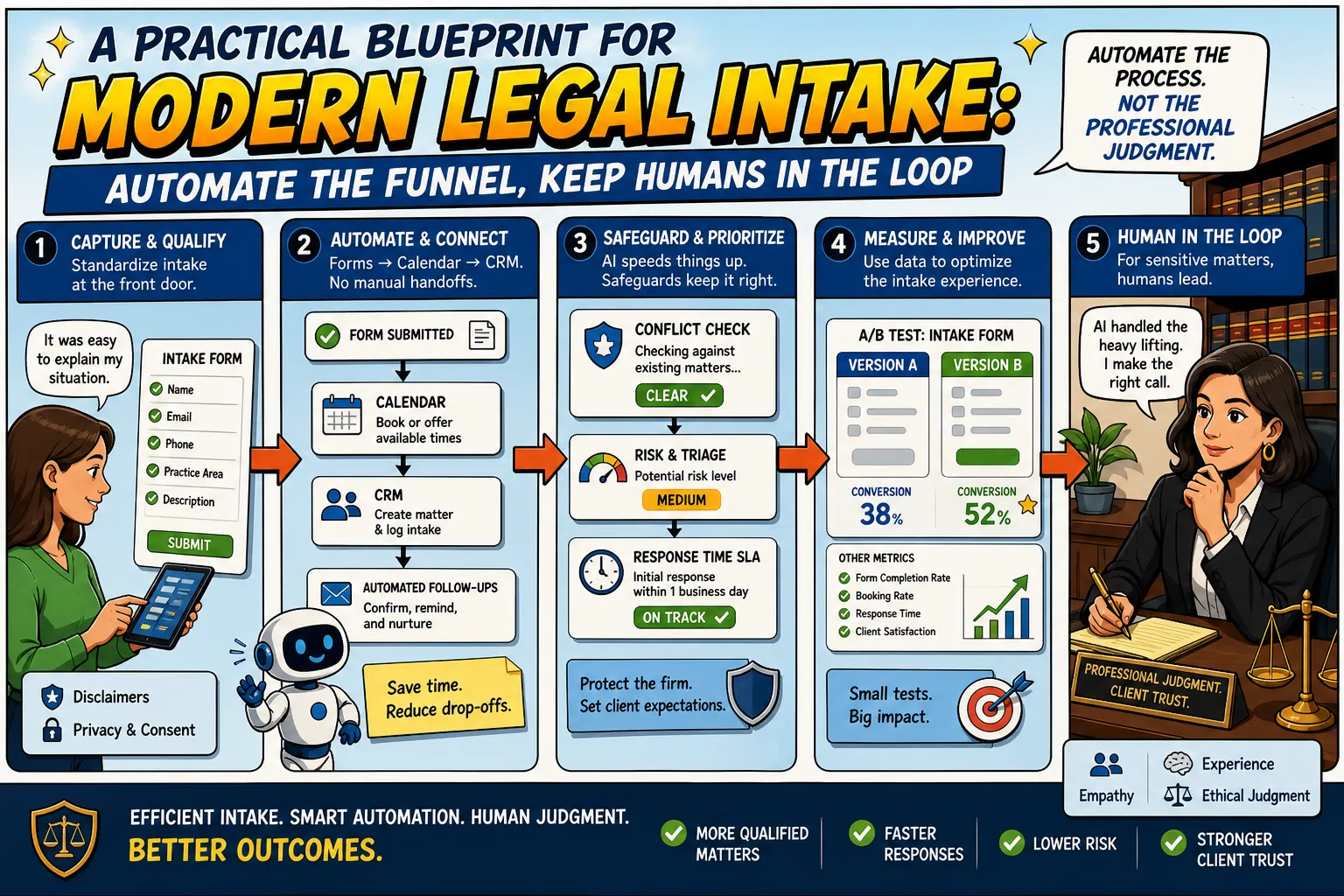
- Client Onboarding: Automate the onboarding process with digital forms and AI-driven document verification.
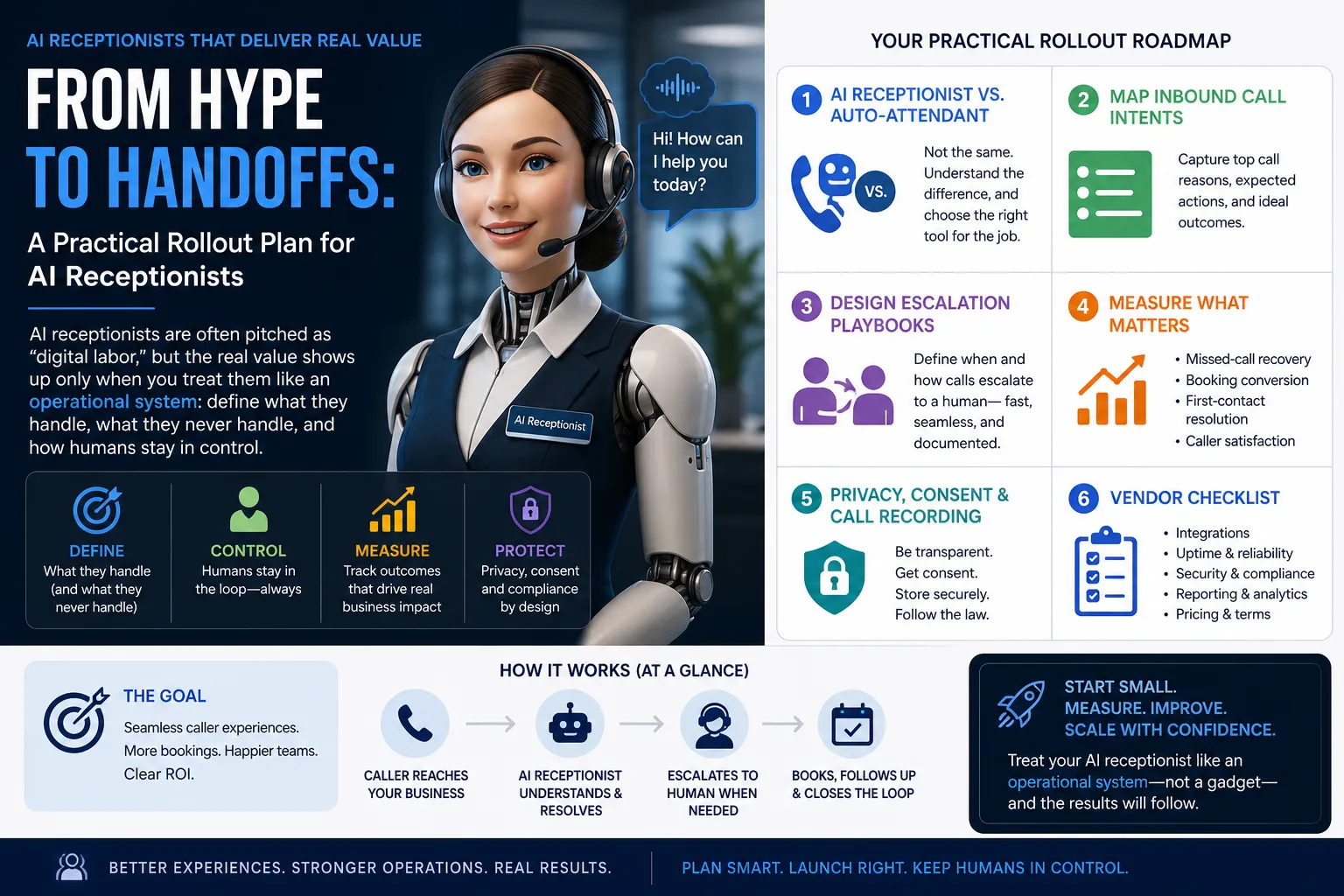
- Customer Service: Deploy chatbots to handle routine inquiries and support tasks.
Conclusion: Augmentation, Not Replacement
AI presents a powerful tool for enhancing efficiency and customer satisfaction in insurance agencies. However, it should augment human capabilities, not replace them. By focusing on automation in areas that benefit from speed and accuracy, while preserving human judgment in complex and ethical decisions, insurance agencies can achieve a balanced approach that enhances both workflow and client interactions.
For a deeper dive into the state of automation in insurance, you can refer to the source document from UiPath: State of Automation in Insurance.



Comments
No comments yet — be the first to share your thoughts.
Join the discussion