
Introduction: The Modern Dental Practice
In today’s fast-paced world, dental practices face the challenge of balancing clinical excellence with efficient operational management. Dentists and their teams are not only responsible for providing high-quality patient care but also for managing a multitude of administrative tasks. These include billing, scheduling, patient communication, and maintaining compliance with healthcare regulations. As technology advances, Artificial Intelligence (AI) presents opportunities to transform these operations, streamlining processes and enhancing patient care.
Streamlining Administrative Tasks
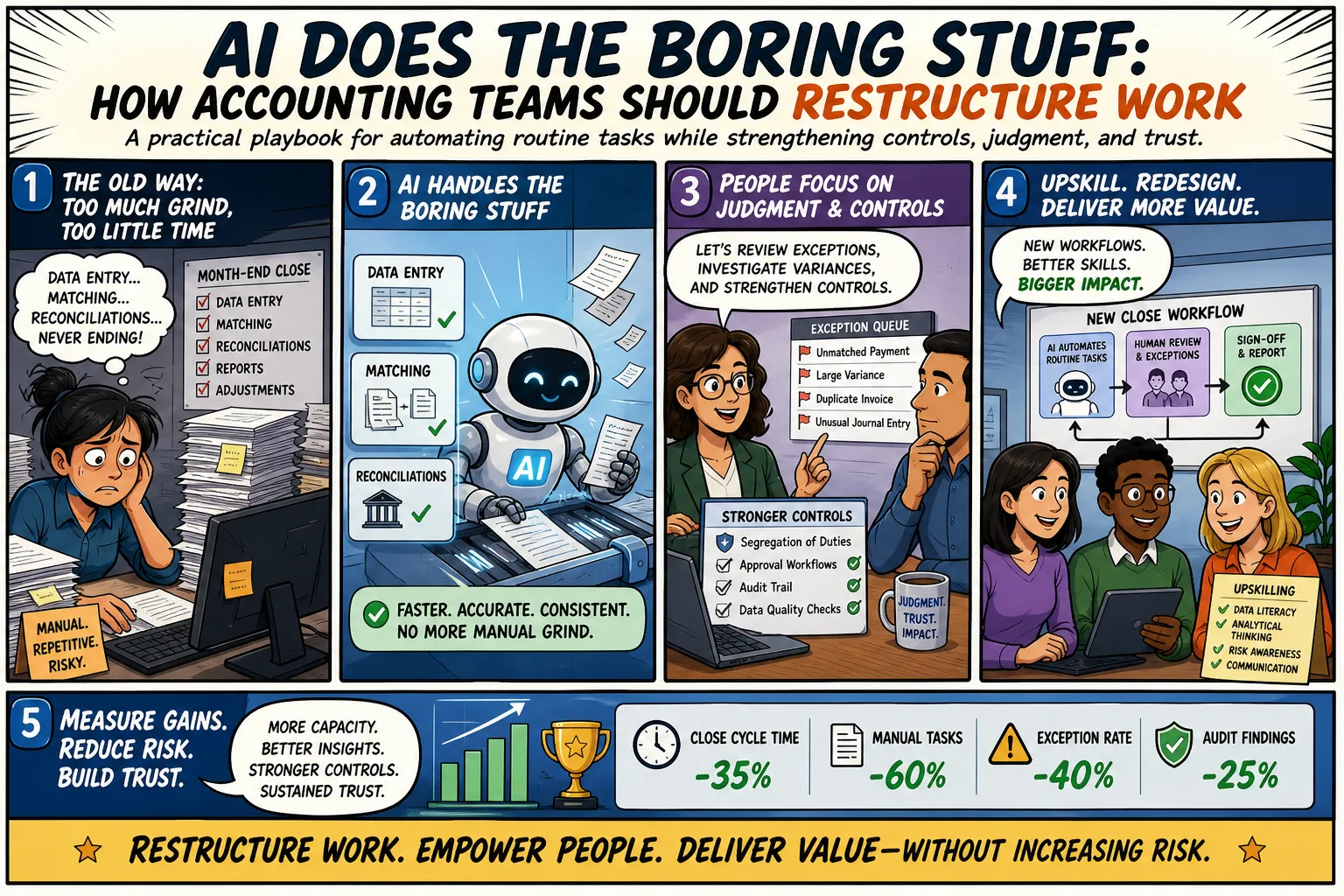
Administrative tasks in dental practices often involve repetitive and time-consuming processes. AI can automate these tasks, freeing up valuable time for dental professionals to focus more on patient care. For instance, automated billing systems can handle insurance claims, reducing errors and accelerating reimbursement times. This not only improves cash flow but also enhances the overall patient experience by minimizing billing discrepancies.
Addressing Workflow Bottlenecks
Workflow bottlenecks, such as appointment scheduling and patient follow-ups, can significantly impact the efficiency of a dental practice. AI-driven scheduling tools can optimize appointment slots, reduce no-shows by sending automated reminders, and adjust schedules in real-time based on patient cancellations or emergencies. This ensures a smoother workflow and maximizes the utilization of available resources.
Enhancing Patient Care
Beyond administrative efficiencies, AI contributes to improved patient care. AI-powered diagnostic tools can assist in identifying oral health issues at an early stage, allowing for timely interventions. However, it is crucial that AI technology complements rather than replaces the expertise of dental professionals. Human judgment remains irreplaceable, particularly in making complex clinical decisions and providing personalized care.
Ethical and Compliance Considerations
While AI offers numerous benefits, dental practices must address ethical and compliance concerns. Patient data privacy and security are paramount, especially when integrating AI systems that handle sensitive information. Practices must ensure that their AI tools comply with relevant healthcare regulations and maintain transparency with patients about how their data is used.
Practical Automation Ideas for Small Practices
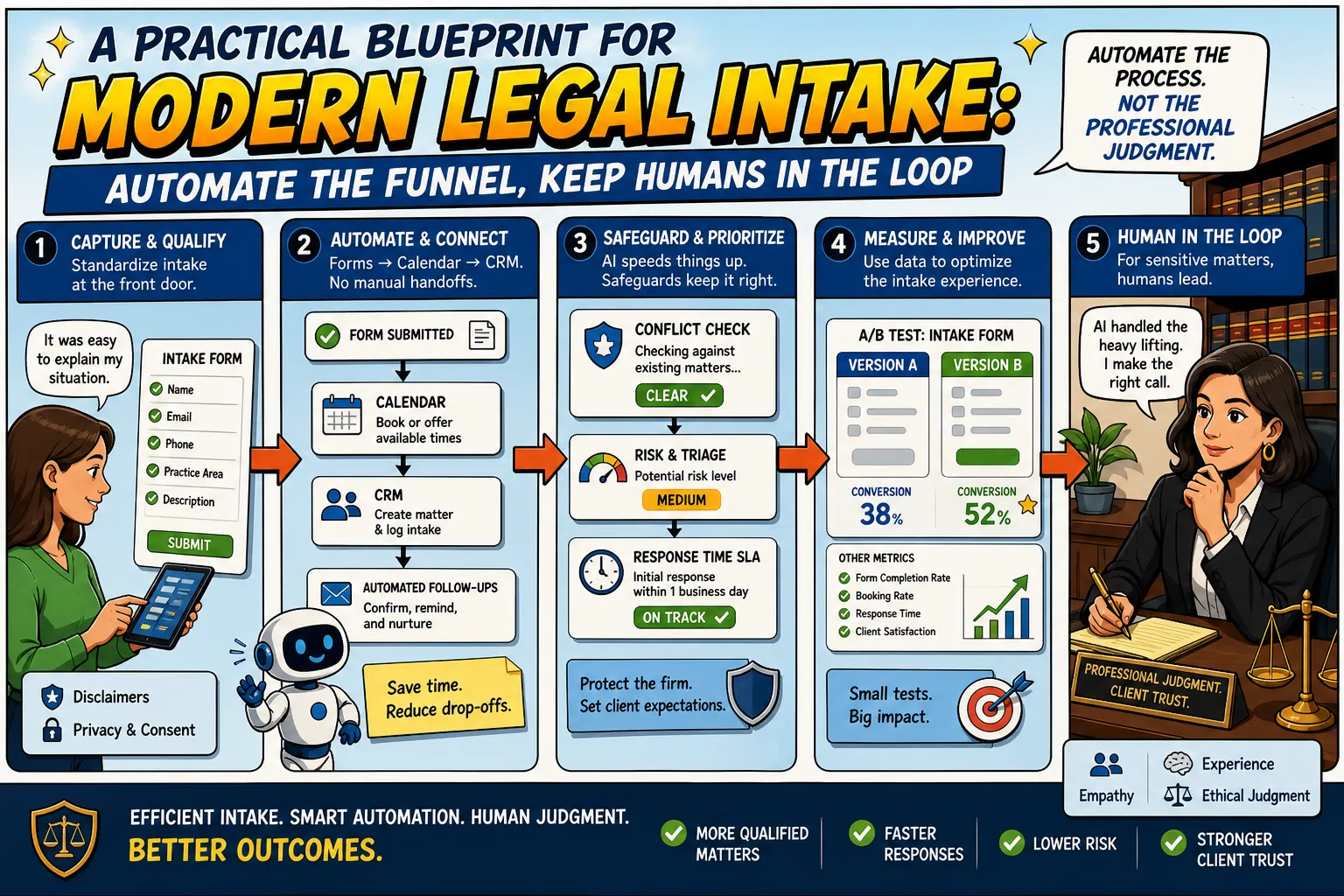
- Automated Patient Intake: Use AI forms and chatbots to gather patient information before appointments, reducing wait times and administrative burden.
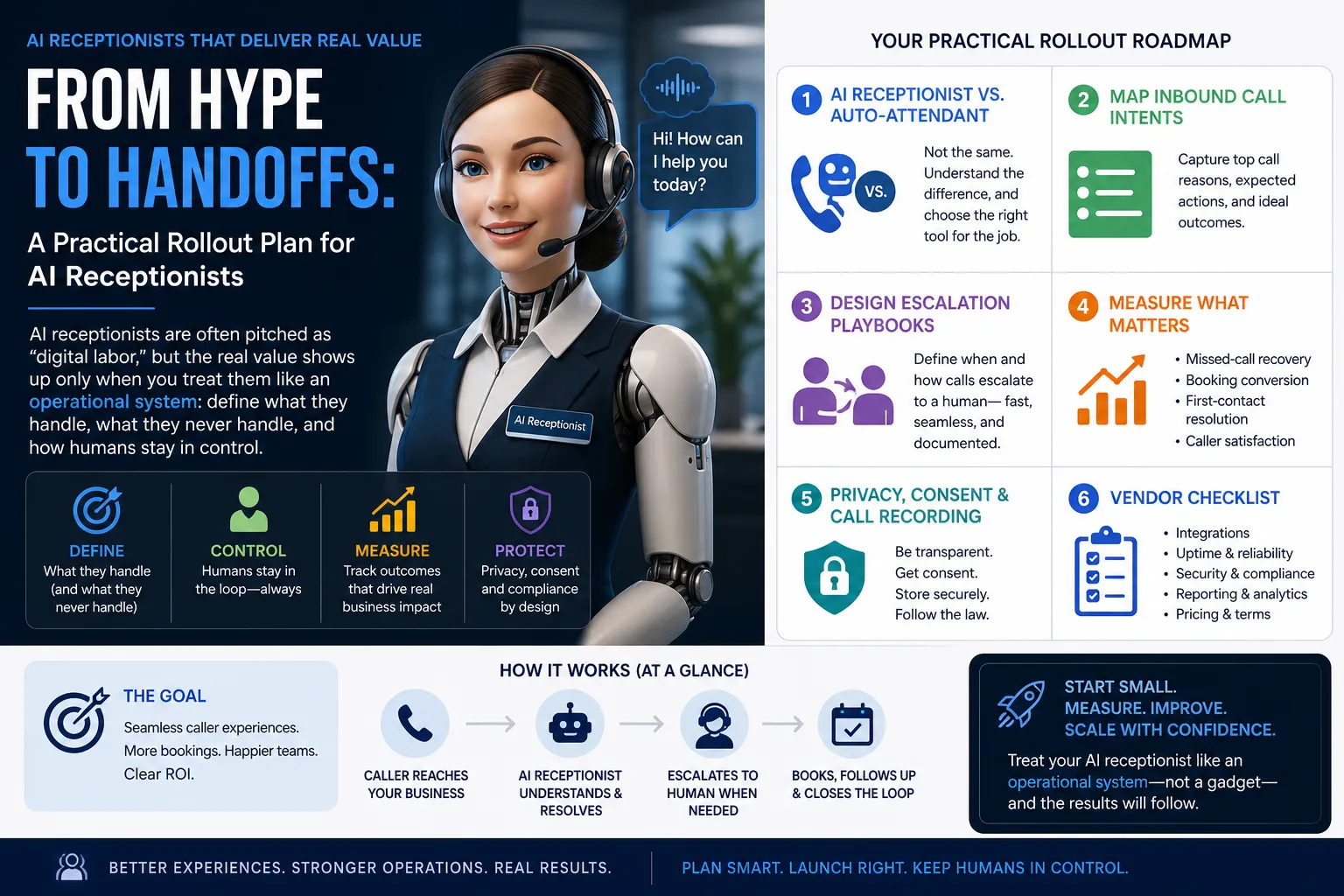
- AI-Driven Communication: Implement AI chatbots for handling routine inquiries and appointment confirmations, improving patient interaction without overwhelming staff.
- Predictive Maintenance: Employ AI to predict equipment maintenance needs, preventing unexpected downtime and ensuring uninterrupted patient care.
AI Limitations and the Necessity of Human Touch
AI should not replace the human elements of dental care. Empathy, patient relationships, and nuanced decision-making are areas where human professionals excel. While AI can enhance efficiency, the irreplaceable human connection remains at the heart of dental care.
Conclusion: Augmentation, Not Replacement
AI is set to revolutionize dental practice operations by automating mundane tasks and enhancing patient care. However, it is essential to strike a balance between technological advancement and maintaining the human touch that defines excellent patient care. By embracing AI responsibly, dental professionals can enhance their practice's efficiency, improve patient experiences, and focus on what they do best—caring for their patients.
For further insights into the role of AI in dental practices, visit the California Dental Association.


Comments
No comments yet — be the first to share your thoughts.
Join the discussion