When AI and Quantum Computing Become a Scientist's Side Hustle
A group of researchers has shown that pairing artificial intelligence with quantum computing can help generate entirely new peptides — the short chains of amino acids that sit at the heart of many modern drugs. According to reporting from Wired, the scientists cobbled together their own funding and spare time to demonstrate how this emerging combination of technologies could accelerate the development of treatments for underserved populations and rare diseases.
Why This Matters
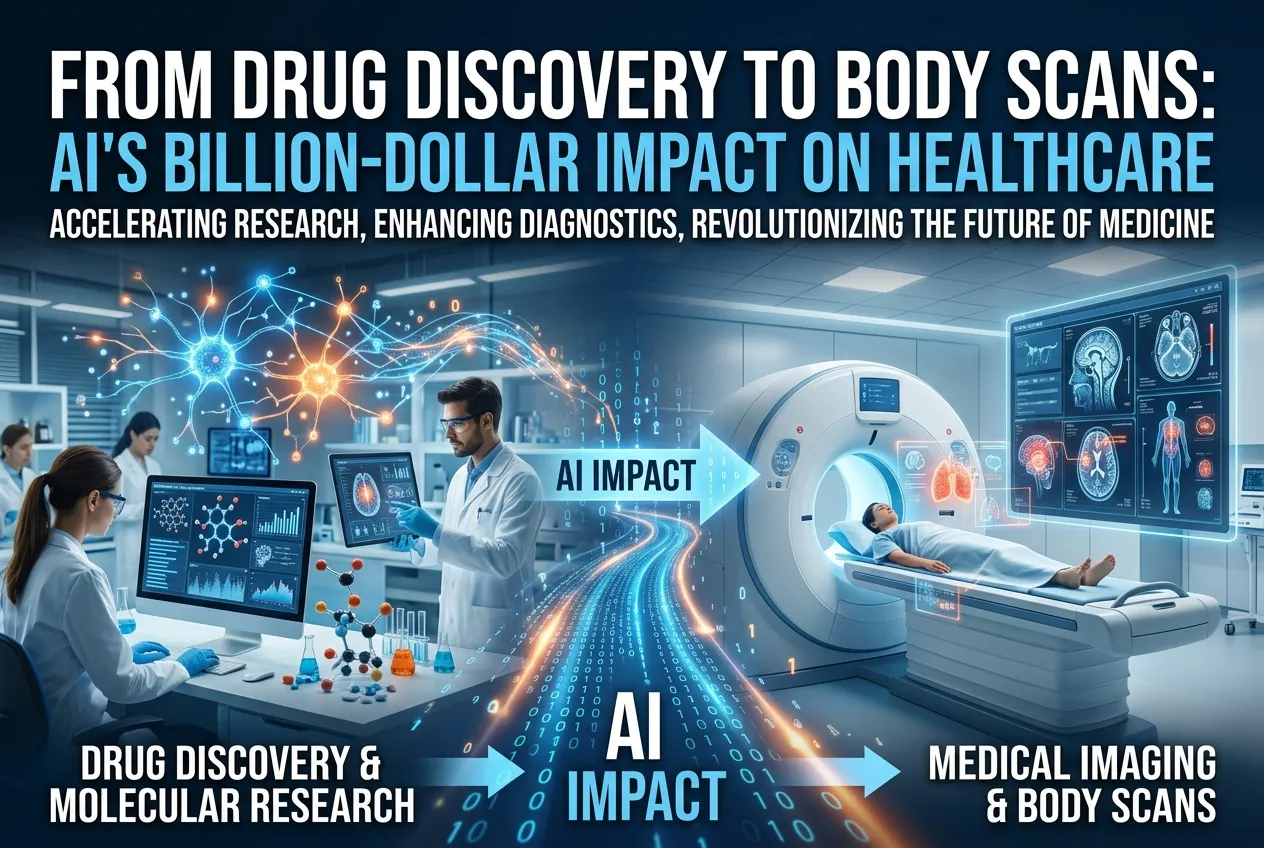
Drug discovery is notoriously slow and expensive, and conditions that affect small patient populations often go under-researched because the economics don't work out. By using AI models to propose novel peptide structures and quantum methods to help evaluate them, the team hints at a future where the search space for viable drug candidates can be explored far faster and more cheaply than with traditional methods alone.
The ZartonAi Take
This is a compelling example of AI moving beyond chatbots and content generation into hard science. The "side hustle" framing is telling: some of the most interesting AI applications right now are emerging not from big-budget labs, but from motivated researchers stitching together accessible tools. As these techniques mature, the convergence of AI and quantum computing could reshape how the entire pharmaceutical pipeline operates.
Story based on reporting by Wired. Read the original coverage for full details.