The New Pursuit of Happiness: It's a Skill, Not a Destination
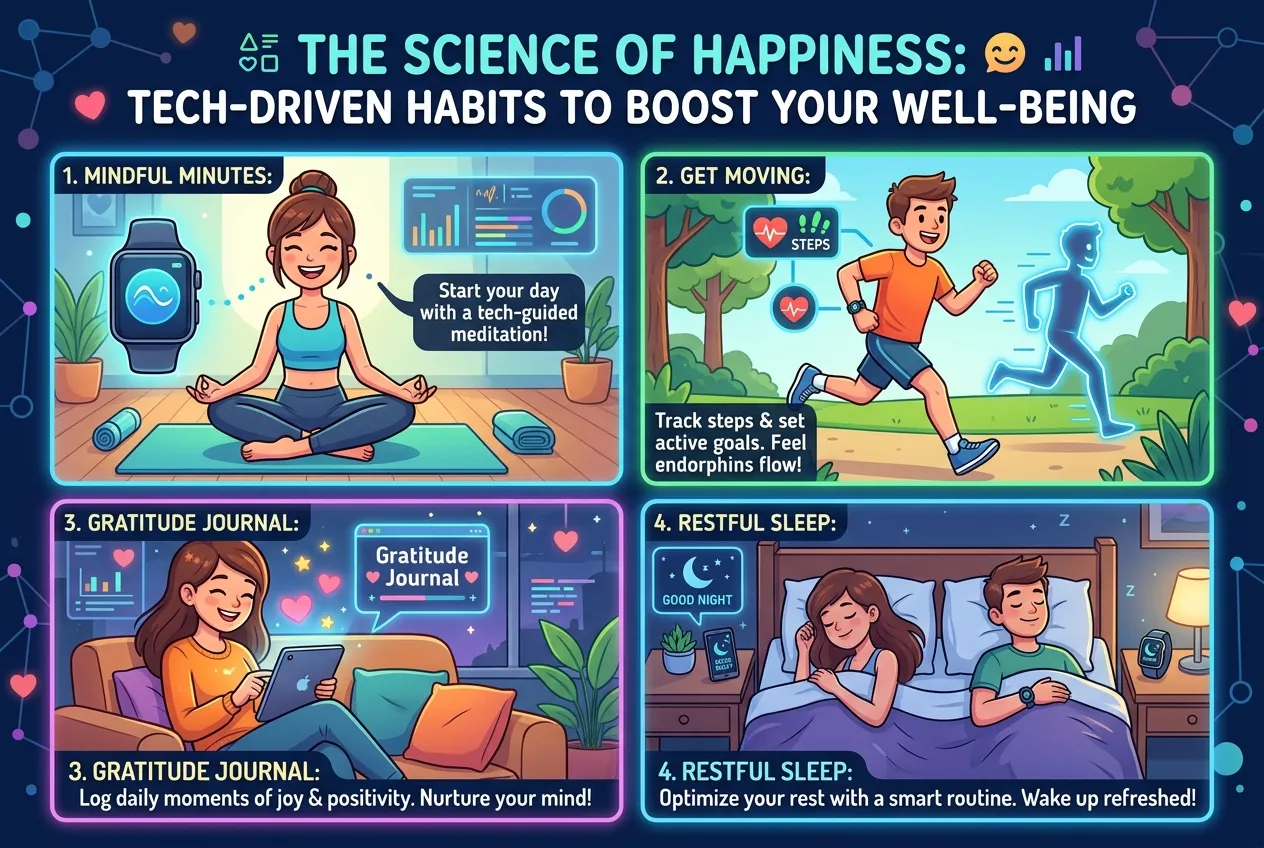
For centuries, the pursuit of happiness has been a cornerstone of human endeavor, often framed as a lofty, almost unattainable goal. We've been taught to chase it through major life achievements, material possessions, or perfect circumstances. But what if we've been looking in the wrong direction? Modern psychology and neuroscience are revealing a profound truth: happiness isn't a destination you arrive at, but a skill you can cultivate. It's less about grand gestures and more about small, consistent habits that literally reshape your brain.
This is where the concept of neuroplasticity comes in. Our brains are not fixed; they are constantly changing and adapting based on our thoughts, actions, and experiences. By repeatedly engaging in certain practices, we can strengthen the neural pathways associated with positive emotions like joy, gratitude, and contentment. In essence, we can train our brains to be happier. The challenge, however, has always been consistency. In our busy lives, finding the motivation and structure to maintain these habits can be difficult. This is where the device in your pocket becomes an unexpectedly powerful ally.
Cultivating Mindfulness in a Digital World
One of the most potent happiness habits backed by science is mindfulness. The practice of being present and fully aware of the current moment, without judgment, has been shown to reduce stress, improve focus, and enhance emotional regulation. Yet, the idea of sitting down to meditate can feel intimidating. Technology elegantly solves this problem with a suite of mindfulness and meditation apps.
Applications like Headspace and Calm have transformed meditation from an esoteric practice into an accessible daily routine. They offer guided sessions for everything from managing anxiety to improving sleep, with structured programs that help beginners build a solid foundation. Tools like Insight Timer provide a vast library of free meditations from teachers all over the world, allowing you to explore different styles. These apps act as a personal meditation coach, providing reminders, tracking your progress, and offering bite-sized exercises that can be done anywhere, turning a few spare minutes into a powerful moment of reset.
The Power of Gratitude and Positive Affirmations, Amplified
Another scientifically validated technique for boosting well-being is the practice of gratitude. Actively focusing on what you're thankful for shifts your perspective away from negativity and fosters a sense of abundance. Similarly, positive affirmations can help challenge and overcome self-sabotaging thoughts. While a physical notebook works, technology offers a more integrated and persistent solution.
Digital gratitude journals such as Presently or Three Good Things prompt you daily to record what you're thankful for. This simple digital nudge ensures the habit doesn't fall by the wayside. The entries are stored, creating a personal archive of positivity you can revisit on difficult days. Affirmation apps like I Am take this a step further, pushing positive statements to your phone's screen throughout the day, creating gentle interruptions that help rewire your internal monologue from critical to compassionate.
Tracking Your Way to a Better Mood
You can't improve what you don't measure. This principle applies as much to our emotional state as it does to our fitness or finances. Mood and habit tracking is a powerful tool for increasing self-awareness. By noticing patterns in our behavior and emotions, we can make informed choices that lead to better days.
Habit-tracking apps like Streaks or Habitica gamify the process of building positive routines, whether it's exercising, reading, or meditating. The satisfaction of maintaining a 'streak' or leveling up a character provides powerful motivation. Mood trackers like Daylio go deeper, allowing you to log your mood throughout the day and associate it with specific activities. Over time, this data can reveal surprising insights, such as how sleep, diet, or social interaction directly impact your happiness, empowering you to make concrete changes.
Training Your Brain: The Synergy of Science and Technology
The true power of these technological tools lies in their ability to facilitate consistency. They are not a replacement for genuine effort, but rather a scaffold that supports the development of life-changing habits. They lower the barrier to entry, provide structure, and deliver the steady reinforcement needed to forge new neural pathways.
Of course, a mindful approach is crucial. The goal is to use technology as a deliberate tool, not another source of distraction. By setting intentional time for these apps, we can leverage their power without getting lost in endless scrolling. We can use our devices not just for consumption, but for conscious self-improvement. The science is clear: happiness is a product of our habits. In the 21st century, the most effective tools for building those habits are already in our hands.
Source: Google News









Comments
No comments yet — be the first to share your thoughts.
Join the discussion