The Quiet Frontier of AI: Med-Legal Paperwork
When people picture the AI revolution, they tend to imagine chatbots, image generators, or self-driving cars. They rarely picture a claims analyst waiting six weeks for a hospital to fax over an incomplete set of medical records. Yet that mundane bottleneck — repeated millions of times a year across law firms, insurers, and healthcare providers — is exactly where a new generation of vertical AI operators is quietly gaining ground.
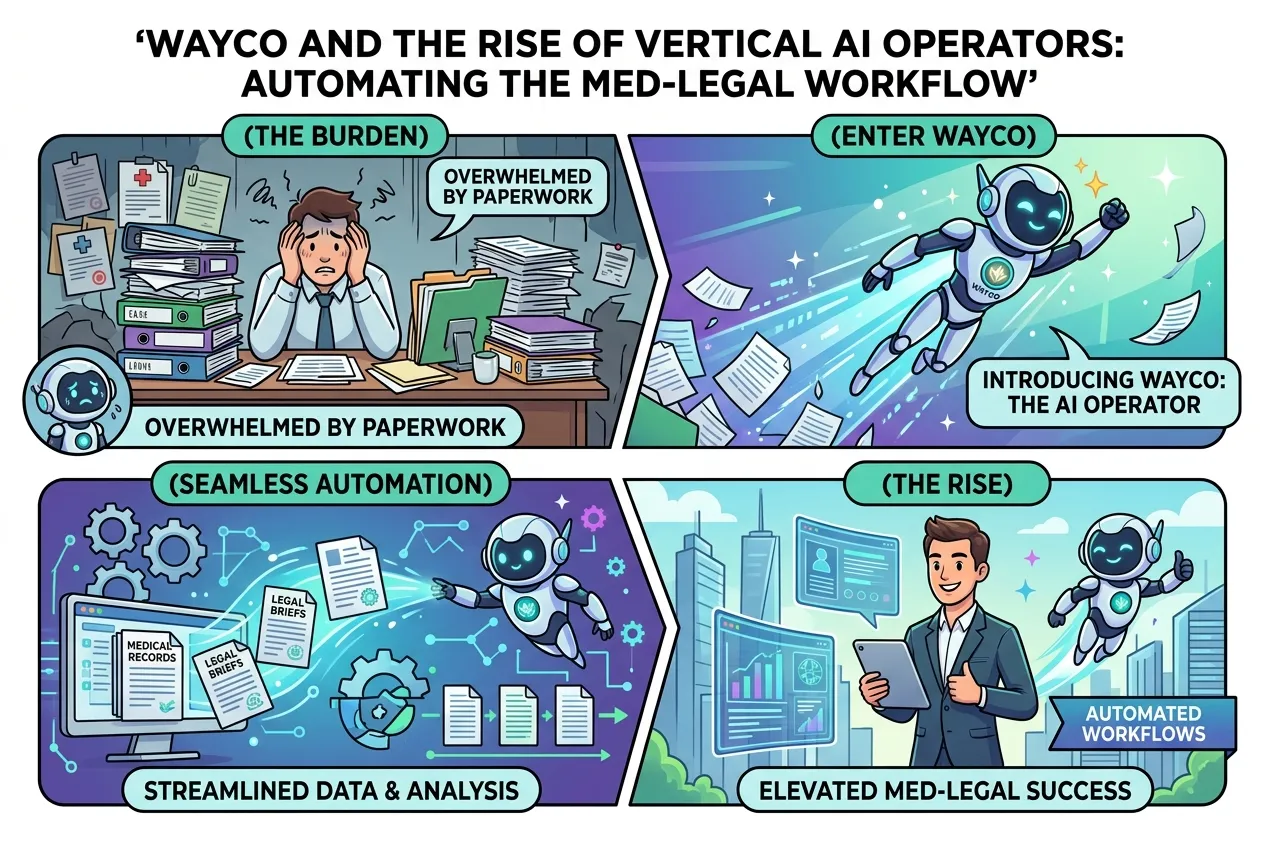
Wayco is one of the startups leading that charge. Rather than build another general-purpose assistant, the company is targeting the medical-legal (or "med-legal") workflow with AI agents built on Anthropic's Claude models. It is a narrow slice of the economy, but a deeply painful one — and a useful case study in how AI is being productized for specific industries instead of the whole internet at once.
What the Med-Legal Space Actually Involves
Med-legal work sits at the intersection of healthcare and litigation or insurance. Whenever someone is injured in a car accident, hurt on the job, or files a personal-injury claim, an army of paralegals, nurse consultants, and adjusters has to reconstruct exactly what happened medically — and how much it cost.
That involves three especially painful chores. First, records retrieval: chasing down providers, signing HIPAA authorizations, and wrangling PDFs, scans, and faxes from dozens of clinics, hospitals, and imaging centers. Second, medical chronologies: reading hundreds or thousands of pages of clinical notes and distilling them into a coherent timeline of injuries, treatments, and prognoses. Third, billing disputes: reconciling CPT codes, ICD-10 diagnoses, and line-item charges against what insurers actually paid, then arguing about the gaps.
Each of these tasks is document-heavy, rules-driven, and repetitive — the exact profile of work that large language models are unusually good at, provided they're wrapped in the right guardrails.
Why AI Operators Are Not Chatbots
The distinction between a "chatbot" and an "AI operator" matters here. A chatbot answers questions. An operator gets a job done. In practice, that means the agent doesn't just summarize a document you paste in — it logs into portals, files requests, tracks statuses, parses returned files, extracts structured data, flags anomalies, and hands finished work products to a human reviewer.
That shift from conversation to action requires more than a big model. It requires tool use, long-running task orchestration, memory of case state, integrations with faxes and record providers, and a very careful sense of when to stop and ask a human. Vertical operators like Wayco succeed or fail on those unglamorous engineering details, not on raw model IQ.
Wayco's Claude-Based Approach
Wayco has built its stack on Anthropic's Claude models, according to reporting highlighted via Google News. The choice reflects a broader pattern: startups tackling sensitive, high-stakes document work tend to favor models with strong reasoning over long contexts and predictable behavior under instruction.
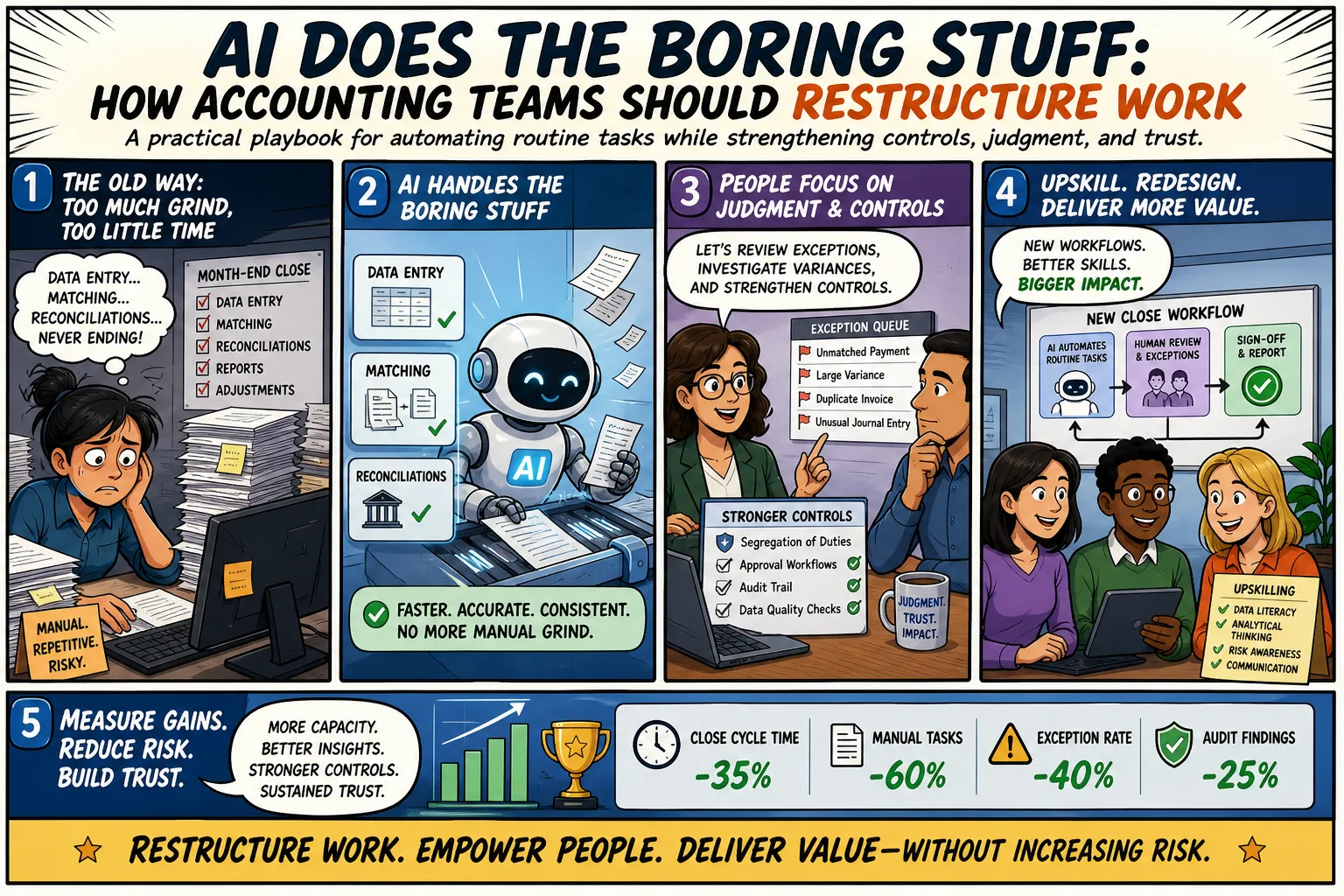
Med-legal is unforgiving territory for hallucinations. A fabricated diagnosis in a chronology or a misread billing code can distort a case worth six or seven figures. So the operator model — where an AI drafts and a human reviews, rather than an AI answers and no one checks — is a natural fit. Wayco's pitch is essentially that the drudgery gets automated while the judgment stays human.
The Broader Vertical AI Trend
Wayco is one data point in a much bigger movement. Across construction takeoffs, medical coding, tax prep, mortgage underwriting, and freight brokerage, founders are wrapping frontier models in industry-specific workflows and calling the result an "AI operator." The bet is that generic assistants will never learn the arcana of, say, workers' compensation lien negotiation — but a focused product built on top of a general model can.
This is a departure from the last wave of SaaS, which mostly digitized forms and dashboards without touching the underlying labor. Vertical AI aims squarely at the labor itself: the reading, summarizing, chasing, and reconciling that fills back-office days.
Implications for Law Firms, Insurers, and Providers
For plaintiff and defense law firms, the immediate impact is throughput. A paralegal team that once handled 20 active files may realistically handle many more, with AI operators drafting chronologies and demand-package exhibits overnight. That changes hiring plans, pricing, and the economics of taking smaller cases.
For insurers, the same tools cut cycle time on claims and give adjusters better structured data to fight or settle with. For healthcare providers, the pressure runs the other way: if the requesting side is automated, sluggish records departments will feel it faster, and billing disputes may become more forensic and less negotiable.
The end state isn't a world without paralegals, adjusters, or medical records clerks. It's a world where those roles supervise fleets of narrow AI agents rather than do the paperwork themselves — and where startups like Wayco define what "good" looks like for each industry vertical.

Comments
No comments yet — be the first to share your thoughts.
Join the discussion