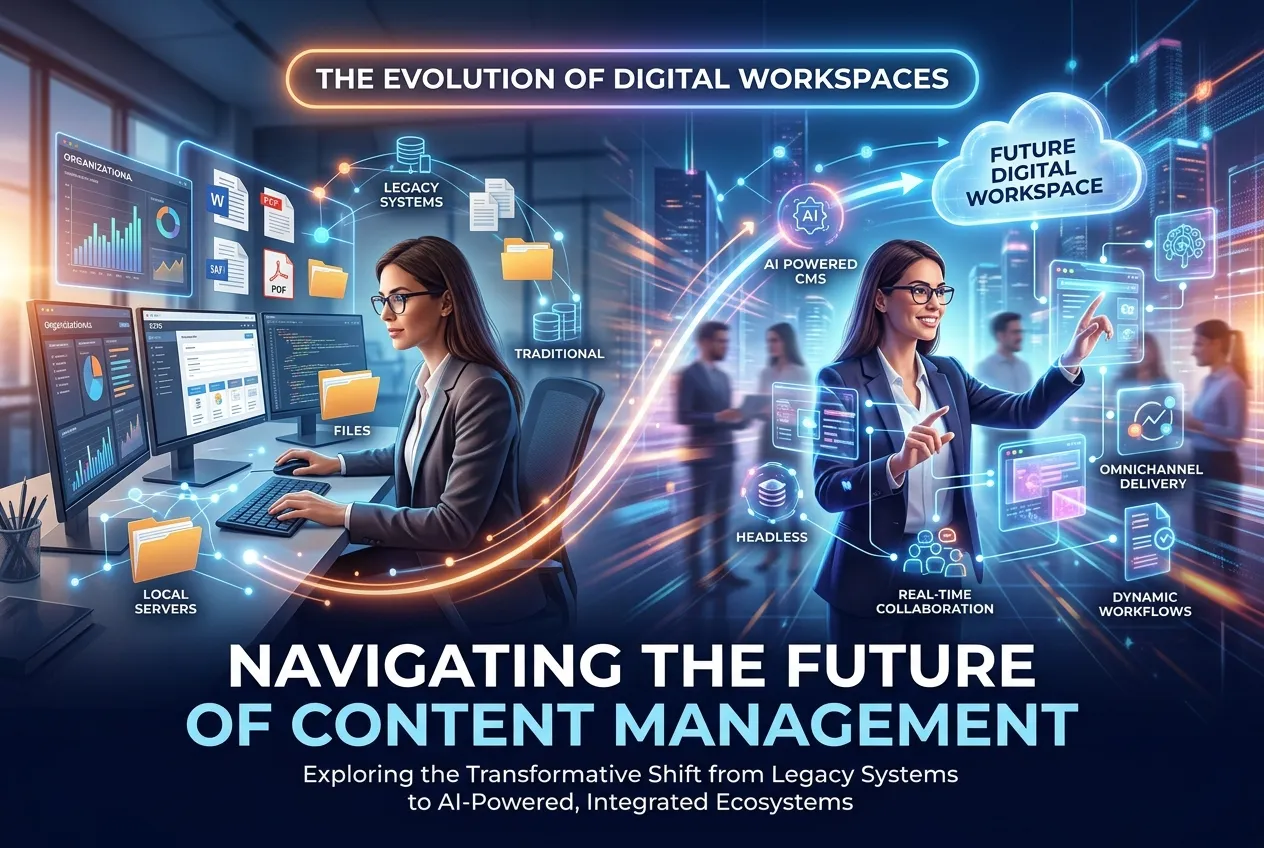
In the rapidly evolving landscape of digital business, the way organizations manage, distribute, and optimize their content has undergone a fundamental transformation. As we navigate through 2026, static websites and siloed data structures are no longer sufficient to meet the dynamic demands of modern consumers. Today, agile content management systems form the backbone of successful digital strategies, allowing businesses to adapt in real-time, personalize user experiences, and streamline internal operations. Understanding this shift is crucial for any organization looking to maintain a competitive edge in an increasingly crowded marketplace. The transition from legacy systems to modern, headless architectures is not merely a technical upgrade; it represents a strategic pivot towards greater resilience and customer-centricity.
The Rise of Dynamic Content Ecosystems
Over the past few years, we have witnessed a significant departure from traditional, monolithic content management systems toward more flexible, dynamic ecosystems. This evolution is driven by the pressing need for omnichannel content delivery, where a single piece of information must seamlessly populate across websites, mobile applications, social media platforms, and even smart devices. Dynamic content ecosystems rely heavily on structured data models—such as dedicated repositories for blog posts, team profiles, service listings, and customer reviews. By decoupling the backend data from the frontend presentation layer, businesses can ensure consistency and speed across all channels. This architecture not only empowers marketing teams to publish updates without developer intervention but also ensures that developers can use the best tools for the job when building user interfaces. The result is a highly responsive digital presence that can scale effortlessly as the business grows, ensuring that content remains a powerful asset rather than a maintenance burden.
Practical Analysis: Streamlining Operations and Data Flow
From an operational standpoint, integrating various business functions into a unified digital workspace offers immense practical benefits. Consider the lifecycle of a customer inquiry. In a well-architected system, a user submitting a contact form triggers a cascade of automated workflows. The submission is instantly logged as a new lead, assigned a preliminary lead score based on the input parameters, and routed to the appropriate team member for immediate follow-up. This interconnectedness eliminates manual data entry, minimizes the risk of human error, and significantly reduces response times. Furthermore, managing core business information, such as operating hours, promotional campaigns, or location data, from a single central hub ensures that any changes are instantly reflected across all digital touchpoints. This practical analysis reveals that the true value of modern content management lies not just in displaying text and images, but in orchestrating complex business processes and data flows with minimal human friction. By automating routine tasks, organizations can redirect their valuable human resources toward strategic initiatives and relationship building.
Implications for Customer Engagement and Retention
The implications of these technological advancements extend directly to the customer experience, profoundly impacting how brands build trust and loyalty. Today's consumers expect fast, relevant, and highly personalized interactions at every touchpoint. When a business leverages a dynamic content strategy, it can deliver tailored experiences based on user behavior, geographic location, or previous interactions. For instance, a returning visitor might be greeted with personalized service recommendations or localized event information drawn dynamically from the database. Furthermore, the performance benefits of modern digital architectures—such as faster page load times and mobile-optimized layouts—directly impact engagement metrics and search engine rankings. If a website is sluggish or difficult to navigate, users will simply abandon it for a competitor, often within mere seconds. Therefore, investing in a robust content infrastructure is not merely an IT upgrade; it is a critical investment in customer satisfaction, brand loyalty, and long-term retention. Brands that fail to recognize these implications risk falling behind in an era where digital experience is synonymous with brand reputation.
Future-Proofing Your Digital Strategy
As we look beyond 2026, the pace of digital innovation shows no signs of slowing down. Emerging technologies, including artificial intelligence, voice-activated search, and augmented reality, are already beginning to reshape how users interact with digital content. To future-proof their digital strategies, organizations must adopt systems that are inherently adaptable. This means prioritizing structured data, embracing API-first architectures, and maintaining a commitment to continuous iteration. By building a flexible foundation today, businesses ensure they can seamlessly integrate tomorrow's technologies without needing to rebuild their entire digital infrastructure from scratch. The most successful companies will be those that view their digital presence not as a finished product, but as an evolving ecosystem capable of anticipating and responding to shifting market dynamics.
Key Takeaways
- Agility is paramount: Transitioning from static pages to dynamic content ecosystems is essential for omnichannel success and rapid market adaptation.
- Operational efficiency: Integrated systems automate workflows, reducing manual tasks, minimizing errors, and accelerating customer response times.
- Enhanced customer experience: Structured data enables personalized, fast-loading digital experiences that drive engagement and build long-term brand loyalty.
- Adaptability: Future-proofing requires flexible, API-driven architectures that can accommodate emerging technologies seamlessly and cost-effectively.
Source: Industry Insights and Digital Transformation Analysis


Comments
No comments yet — be the first to share your thoughts.
Join the discussion